
Brewing coffee is both an art and a science that transforms simple beans into a rich, aromatic experience that awakens the senses. From the French press to the espresso machine, the method you choose deeply influences the flavor, body, and clarity of your cup. Understanding how water temperature, grind size, and brewing time affect extraction can help anyone—from beginners to seasoned home baristas—craft a better coffee at home and appreciate the subtle nuances in each brew.
The French press, a favorite among coffee lovers seeking full-bodied richness, uses an immersion method where ground coffee steeps in hot water for several minutes before pressing the plunger down. This method allows the oils and fine particles to remain, resulting in a bold, textured cup with a heavier mouthfeel. Experimentation with steeping time and grind coarseness helps balance bitterness and strength.
Pour-over methods, such as the Hario V60 and Chemex, involve pouring hot water over coffee grounds in a filter, producing a clean, bright cup that highlights delicate floral and fruity notes. The pour rate, water temperature, and evenness of saturation all affect how flavors develop during brewing. Filters—paper or metal—play a role, with paper removing more oils and metal allowing more body.
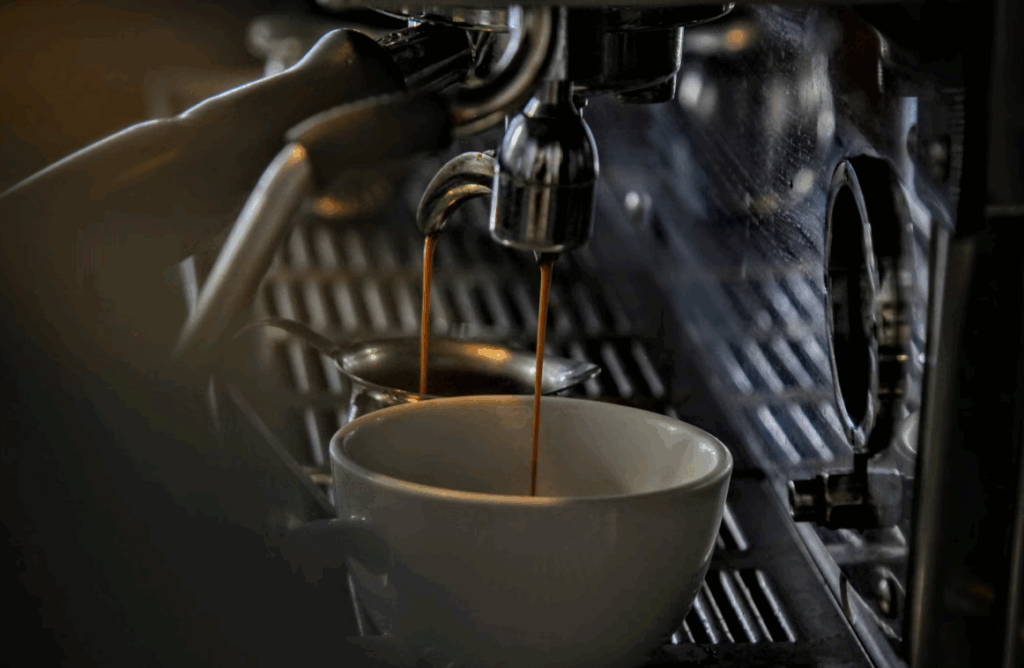
Espresso machines push water through finely ground coffee under high pressure, creating a concentrated shot with a signature crema. This intense brewing requires precision in grind size, dose, tamping pressure, and temperature to extract layers of bitterness, sweetness, and acidity in balance. Mastery of espresso opens up a world of drinks like lattes, cappuccinos, and americanos.
Cold brew, which involves steeping coarse coffee grounds in cold water for 12-24 hours, offers a smooth, mellow cup with low acidity and a naturally sweet profile. It’s a refreshing option for hot weather or sensitive stomachs and can be enjoyed straight, diluted with water, or mixed with milk and flavorings.
Temperature control is critical; water between 195-205°F ensures proper extraction. Too hot water can scald grounds, causing bitterness, while too cool water results in weak, sour flavors. Grind size must correspond to brewing method—coarse for French press, medium for drip, fine for espresso—since it affects the surface area exposed to water and extraction rate.
Additional factors include water quality, freshness of beans, and correct coffee-to-water ratio, generally about 1:16 but adaptable to taste preferences. Grinding beans immediately before brewing preserves aroma and flavor, while storing beans in airtight, cool, dark places maintains freshness.
Brewing coffee invites joyful experimentation—adjust one variable at a time to find your perfect cup. This hands-on process turns daily coffee into a mindful ritual, connecting you more deeply to the beans, the craft, and ultimately, the moment of enjoyment.